When it comes to your pet’s health, early detection and accurate diagnosis are key. At Dry Creek Veterinary Hospital, we believe that modern diagnostic tools like ultrasound are not just optional—they’re transformative. In this blog, we’ll walk you through how ultrasound diagnostics are changing pet care at Dry Creek, and how they help us deliver more precise, thoughtful, and less invasive care.
What Is Veterinary Ultrasound — And Why It Matters
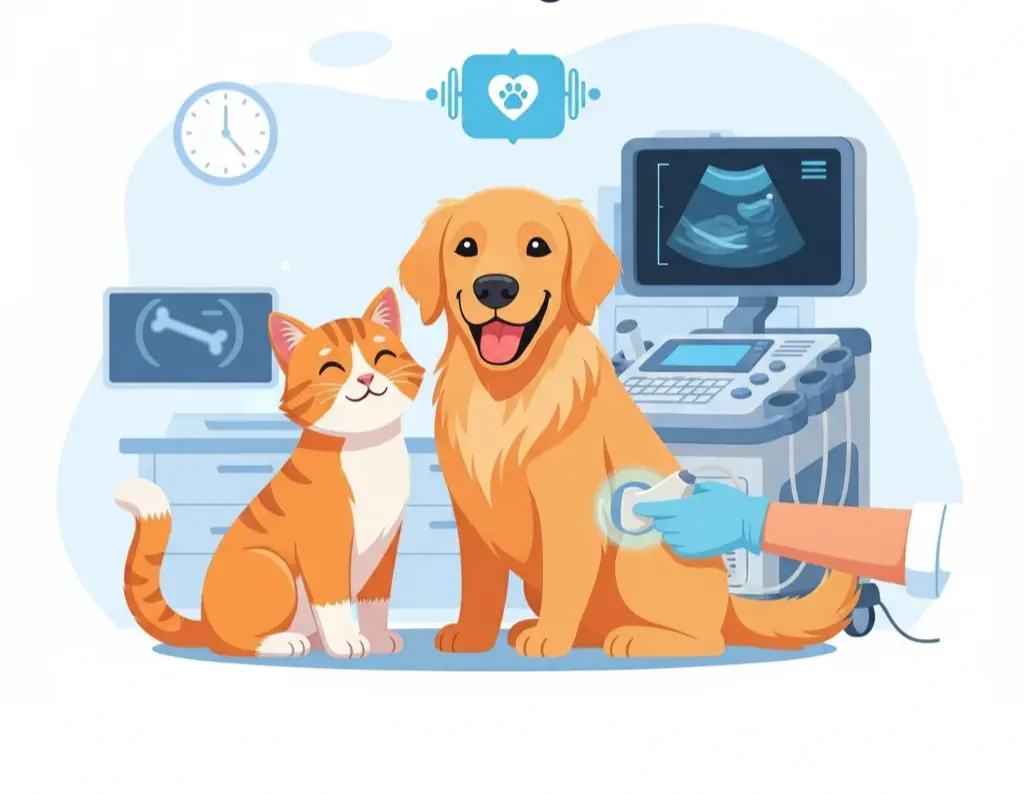
Ultrasound imaging (also known as ultrasonography) uses high-frequency sound waves to visualize internal organs and soft tissues in real time. It’s non-invasive, doesn’t rely on radiation, and can give veterinarians a window into what’s happening inside your pet’s body without opening it up.
At Dry Creek, we use ultrasound to:
- Evaluate abdominal organs (liver, kidneys, spleen, gallbladder, GI tract)
- Detect fluid collections, masses, or cysts
- Monitor organ enlargement or structural changes
- Assist in diagnosing cardiac conditions (echocardiography)
- Guide biopsies or fluid sampling
- Monitor pregnancies or fetal health
Ultrasound provides immediate, dynamic images of your pet's internal anatomy. For example, unlike static X-rays, ultrasound can show movement—such as blood flow, organ contractility, or fluid shifts—in real time.
How Dry Creek Uses Ultrasound to Improve Outcomes
At Dry Creek Veterinary Hospital, our goal is to provide comprehensive, compassionate care—and ultrasound diagnostics are integral to that mission. Here’s how we put this technology to work:
- Early Detection of Hidden Problems: Often, by the time outward symptoms appear, an internal problem has progressed. Ultrasound lets us detect abnormalities before they become critical. For instance, if routine lab work suggests elevated liver enzymes, an ultrasound may reveal early changes in liver tissue, cysts, or bile duct dilation.
- Better Diagnostic Precision: Sometimes bloodwork or X-rays hint at “something going on,” but don’t give answers. Ultrasound often bridges that gap. It helps pinpoint the location, size, and character of lesions (solid vs fluid-filled), enabling more precise treatment plans.
- Minimally Invasive Sampling: If we need a sample (for example, a biopsy or fluid aspirate), ultrasound allows us to guide the needle precisely to the target area. This reduces trauma to surrounding tissues and minimizes risk.
- Monitoring Chronic Conditions: Many pets live with long-term disease (e.g., kidney disease, liver disease, heart conditions). Ultrasound provides a reliable way to monitor structural changes over time—to see if treatment is working, or whether adjustments are needed.
- Supporting Surgical Planning: If a mass or abnormal organ is identified, knowing exactly where and how large it is helps our surgeons plan with confidence—minimizing anesthesia time and improving surgical outcomes.
What to Expect During an Ultrasound at Dry Creek Veterinary Hospital
We strive to make the ultrasound experience as smooth and stress-free as possible for your pet:
- Minimal sedation (if needed): Ultrasound is generally a painless procedure. Most animals do not require anesthesia. Sedation is reserved for pets who are nervous or uncooperative.
- Preparation and shaving: The area being examined is often clipped (shaved) so the ultrasound probe can make good contact. In some cases, using alcohol or gel can help, but shaving generally ensures better image quality.
- Real-time imaging: As the scan proceeds, the veterinarian interprets images on-screen. In some cases, images may also be sent to a specialist for further review.
- Quick feedback: Often, we can discuss preliminary findings immediately. If we need to send images to a specialist, a final report may take a few days, depending on complexity.
Examples of Cases Where Ultrasound Helps
- Suspected organ enlargement based on physical exam or lab work
- Chronic vomiting, diarrhea, or GI distress where X-rays are inconclusive
- Abnormal lab values (e.g., elevated liver enzymes, kidney values)
- Palpable masses or lumps where the location/identity is uncertain
- Heart murmurs or suspected cardiac disease (echocardiogram)
- Fluid accumulation in the abdomen (ascites) or chest
- Monitoring a known internal lesion over time
Why Dry Creek’s Approach Makes a Difference
Because Dry Creek Veterinary Hospital integrates advanced diagnostic tools in-house, we can avoid delays associated with sending patients out to distant specialist centers. That means faster diagnoses, better continuity of care, and more convenience for you, our clients.
Our team is committed to interpreting ultrasound findings in context—with your pet’s history, clinical signs, lab values, and other diagnostics taken into account. That holistic approach ensures that we don’t overreact to incidental findings, but instead make thoughtful care plans tailored to each patient.
Moreover, we accept multiple payment methods, including major credit cards, cash, and CareCredit, so you can focus on your pet’s care without undue stress about finances.
Final Thoughts
Conclusion: Ultrasound diagnostics have truly revolutionized veterinary care at Dry Creek. By enabling non-invasive, real-time visualization of internal anatomy, they allow us to detect disease earlier, tailor treatments more precisely, and reduce the need for exploratory surgery. For pet owners, that translates into better outcomes, more peace of mind, and a stronger partnership with their veterinary team. If you suspect your pet may benefit from an ultrasound, or simply want to learn more about how Dry Creek uses this technology, we’d love to talk. Schedule a wellness appointment or consultation today—because when it comes to your fur family, exceptional diagnostics make all the difference.